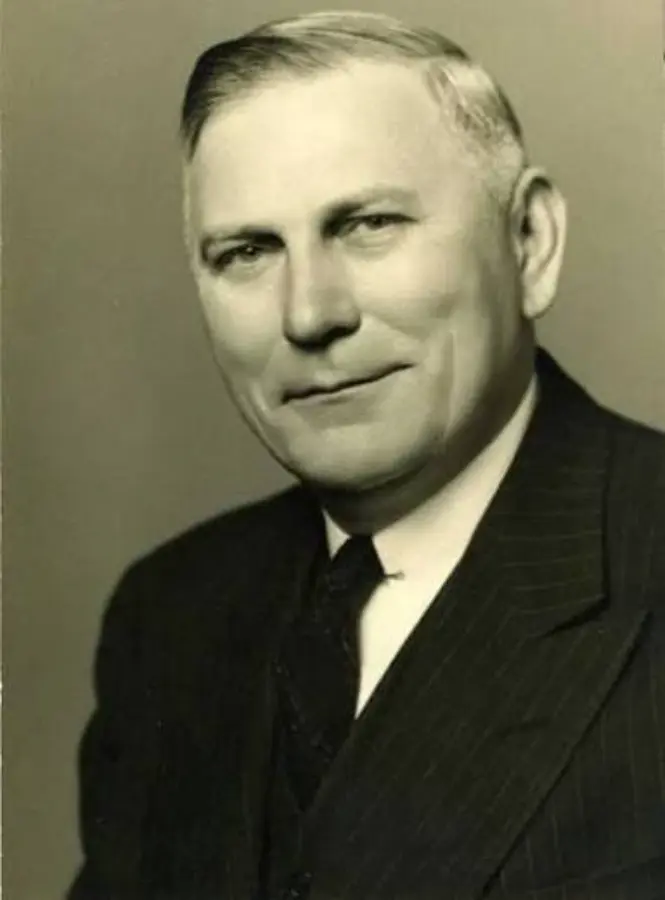
Arthur Talmage Abernethy
Quick Facts
- Born
- August 5, 1872
- Died
- September 23, 1956
- Movement
- Early 20th-century American Poetry / Southern Literature
- Known For
- Lyrical poems about nature, love, patriotism, and American life
Arthur Talmage Abernethy was an American poet, educator, journalist, minister, and public speaker whose literary achievements earned him a lasting place in North Carolina’s cultural history. Best remembered as the first official Poet Laureate of North Carolina, Abernethy devoted his life to literature, education, and public service. His poetry reflected themes of patriotism, faith, nature, and Southern heritage, making his work both meaningful and influential during the late nineteenth and early twentieth centuries.
Although many modern readers are unfamiliar with his writings, Arthur Talmage Abernethy played an essential role in shaping North Carolina’s literary identity. His career extended far beyond poetry, encompassing journalism, teaching, religious ministry, and civic leadership. His ability to connect literature with public life helped establish poetry as an important part of the state’s cultural tradition.
This biography explores the remarkable journey of Arthur Talmage Abernethy, highlighting his early life, education, professional accomplishments, and lasting literary contributions.
Early Life of Arthur Talmage Abernethy
Arthur Talmage Abernethy was born in the United States during the post-Civil War era, a period marked by significant social and cultural transformation. Growing up in North Carolina, he experienced firsthand the changing landscape of the American South. These early experiences influenced both his worldview and his later literary works.
From an early age, Abernethy demonstrated exceptional intellectual curiosity. He developed a strong appreciation for literature, history, and religion, subjects that would remain central throughout his life. His family encouraged education and moral values, creating an environment where reading and learning became daily habits.
As a young student, Arthur displayed remarkable writing abilities. Teachers recognized his talent for language and encouraged him to pursue academic excellence. His interest in poetry emerged during these formative years, laying the foundation for a career that would eventually earn statewide recognition.
Educational Journey
Education played a defining role in Arthur Talmage Abernethy’s development as both a writer and public intellectual. He attended respected institutions where he studied literature, philosophy, theology, and the humanities.
His academic training exposed him to classical literature, English poetry, public speaking, and religious scholarship. These influences shaped his writing style, which combined traditional poetic techniques with thoughtful reflections on society, faith, and human experience.
During his college years, Abernethy became actively involved in literary societies and public debates. These organizations helped him sharpen his communication skills while providing opportunities to publish early works and deliver speeches before audiences.
The combination of formal education and personal dedication allowed Arthur Talmage Abernethy to develop into a versatile scholar whose interests extended well beyond poetry.
Beginning of His Literary Career
Arthur Talmage Abernethy began writing poetry while still a young man. His earliest works revealed a deep appreciation for nature, spirituality, patriotism, and the cultural traditions of the American South.
Unlike many poets who focused solely on artistic expression, Abernethy believed literature should educate, inspire, and strengthen communities. His poems often encouraged readers to reflect on moral values, personal responsibility, and the importance of preserving history.
As his reputation grew, newspapers and literary publications began printing his poems and essays. His writing reached audiences throughout North Carolina and beyond, establishing him as one of the region’s respected literary voices.
His approachable style appealed to both general readers and literary critics. Rather than relying on overly complex language, Arthur Talmage Abernethy emphasized clarity, emotional sincerity, and vivid imagery.
Arthur Talmage Abernethy as a Journalist
In addition to poetry, Arthur Talmage Abernethy enjoyed a successful career in journalism. Working with newspapers allowed him to engage directly with current events while promoting literature, education, and public discussion.
Journalism strengthened his ability to communicate complex ideas in a clear and accessible manner. His editorial work demonstrated careful research, balanced reasoning, and a commitment to informing readers.
As a journalist, Abernethy wrote about a wide range of subjects, including education, politics, religion, literature, and community affairs. This diversity expanded his influence far beyond the literary world.
His newspaper experience also helped refine the concise yet expressive writing style that became characteristic of both his prose and poetry.
A Career in Education
Arthur Talmage Abernethy believed education was one of society’s greatest responsibilities. Throughout his professional life, he remained deeply committed to teaching and intellectual development.
As an educator, he encouraged students to appreciate literature not merely as entertainment but as a means of understanding history, ethics, and human character. His classrooms emphasized critical thinking, disciplined study, and effective communication.
Students admired his enthusiasm and broad knowledge, while colleagues respected his dedication to academic excellence. His educational work reflected the same values evident in his poetry,integrity, curiosity, and lifelong learning.
Teaching also allowed Abernethy to mentor aspiring writers, helping cultivate a new generation of readers and literary enthusiasts.
Religious Ministry and Public Speaking
Faith occupied an important place in Arthur Talmage Abernethy’s life. Alongside his literary and educational pursuits, he served as a minister, using his speaking abilities to inspire congregations and communities.
His sermons combined theological insight with practical wisdom, encouraging compassion, honesty, and service to others. Rather than separating literature from religion, Abernethy viewed both as complementary paths toward understanding truth and human dignity.
His reputation as an engaging speaker led to invitations for lectures, public ceremonies, educational events, and civic gatherings. Whether addressing students, church members, or literary audiences, he communicated with clarity, warmth, and conviction.
The skills he developed through preaching and public speaking also enriched his poetry, giving his verses a distinctive rhythm and persuasive tone.
Literary Style and Major Themes
Arthur Talmage Abernethy’s poetry reflected the literary traditions of his era while expressing his own unique voice. His work frequently explored themes that resonated with readers across generations.
Nature
The natural beauty of North Carolina frequently appeared in his poetry. Landscapes, changing seasons, forests, rivers, and rural life served as symbols of renewal, peace, and spiritual reflection.
Faith
Religious faith influenced many of Abernethy’s poems. His writing expressed hope, gratitude, moral responsibility, and confidence in enduring spiritual values.
Patriotism
Love for his country and his home state remained a recurring theme. His patriotic poems celebrated civic duty, historical memory, and the importance of preserving cultural traditions.
Southern Heritage
Arthur Talmage Abernethy also explored the customs, history, and identity of the American South. Rather than focusing solely on historical events, he emphasized the people, values, and communities that shaped regional life.
Growing Recognition Of Arthur Talmage Abernethy
As Arthur Talmage Abernethy’s reputation expanded, he became widely recognized throughout North Carolina as a respected literary figure. His contributions to poetry, journalism, education, and public service distinguished him from many of his contemporaries.
Literary organizations, educational institutions, and civic groups increasingly sought his participation in cultural events. His ability to bridge literature with public life earned admiration from readers, educators, religious leaders, and fellow writers alike.
This growing recognition ultimately paved the way for the greatest honor of his literary career—an appointment that would permanently connect his name with the literary history of North Carolina
Arthur Talmage Abernethy Becomes North Carolina’s First Poet Laureate
Arthur Talmage Abernethy’s lifelong dedication to literature eventually earned him one of the highest cultural honors in North Carolina. In 1948, he was appointed the first official Poet Laureate of North Carolina, a milestone that recognized decades of literary achievement and public service.
The appointment reflected not only the quality of his poetry but also his commitment to promoting literature throughout the state. As Poet Laureate, Abernethy represented North Carolina’s literary community at public events, educational programs, and cultural celebrations.
His selection established an important tradition that continues today. Every Poet Laureate who has followed has built upon the foundation created by Arthur Talmage Abernethy, making his appointment a historic moment in the state’s cultural development.
His role demonstrated that poetry could inspire civic pride, preserve regional history, and encourage future generations to value literature.
Major Literary Works Of Arthur Talmage Abernethy
Throughout his career, Arthur Talmage Abernethy produced a variety of poems, essays, speeches, and literary writings. His works reflected his wide-ranging interests and his desire to educate as well as entertain readers.
Although some of his publications are less widely known today, they were highly respected during his lifetime. His poetry often celebrated:
- The beauty of North Carolina’s landscapes
- Religious devotion and spiritual reflection
- Patriotism and civic responsibility
- Family values and community life
- Historical traditions of the American South
Rather than writing for fame alone, Abernethy viewed literature as a public service. His writings encouraged readers to appreciate education, preserve cultural heritage, and cultivate strong moral character.
Influence on North Carolina Literature
Arthur Talmage Abernethy’s influence extended far beyond his own published works. As an educator, journalist, minister, and public speaker, he helped strengthen North Carolina’s literary culture during the first half of the twentieth century.
His advocacy for poetry inspired schools, libraries, literary organizations, and civic institutions to place greater emphasis on creative writing and reading. By demonstrating that literature could play an active role in public life, he encouraged broader appreciation for the arts.
Many later North Carolina writers benefited from the literary environment that Abernethy helped create. His leadership contributed to the state’s growing reputation as an important center for American literature.
Personal Values and Character
Those who knew Arthur Talmage Abernethy often described him as thoughtful, disciplined, and deeply committed to public service. His personal life reflected the same principles that appeared throughout his poetry.
He believed that education should develop both intellect and character. Likewise, he regarded literature as a means of encouraging compassion, integrity, and civic responsibility.
Despite receiving significant recognition, Abernethy remained devoted to teaching, writing, and serving his community. His humility and dedication earned respect from colleagues, students, readers, and fellow authors.
Later Years
During the later years of his life, Arthur Talmage Abernethy continued contributing to North Carolina’s cultural and educational communities. Even after achieving statewide recognition, he remained active as a writer and public figure.
He participated in literary gatherings, educational programs, and public ceremonies, continuing to promote poetry as an important form of artistic and cultural expression.
His experience as a teacher, journalist, minister, and poet enabled him to connect with people from many different backgrounds. His speeches and writings continued inspiring audiences who appreciated his thoughtful perspective and genuine love of literature.
Death and Lasting Legacy
Arthur Talmage Abernethy passed away in 1956, leaving behind a remarkable legacy of literary achievement and public service.
Although decades have passed since his death, his influence remains visible in North Carolina’s literary history. His appointment as the state’s first Poet Laureate continues to symbolize the importance of poetry in preserving culture, history, and community identity.
Modern scholars recognize Abernethy’s contributions as extending beyond individual poems. His work helped establish stronger connections between literature, education, journalism, and civic leadership.
Today, students, historians, and literary enthusiasts continue studying his life as an example of how one individual can shape the cultural identity of an entire state.
Why Arthur Talmage Abernethy Still Matters Today
The life of Arthur Talmage Abernethy demonstrates that literature has the power to educate, unite, and inspire communities. His career combined creativity with public service, showing that poetry could influence society beyond the printed page.
His writings remain valuable because they explore timeless themes including faith, nature, patriotism, education, and personal responsibility. These subjects continue to resonate with readers seeking meaningful reflections on life and society.
As North Carolina’s first Poet Laureate, Abernethy established a tradition that celebrates literary excellence and encourages future generations of writers.
His legacy reminds us that great poets are not remembered solely for their words but also for the positive impact they make on their communities.
Final Talk
Arthur Talmage Abernethy occupies a unique place in American literary history. Through his work as a poet, educator, journalist, minister, and public speaker, he devoted his life to advancing knowledge, creativity, and public service.
His appointment as the first Poet Laureate of North Carolina stands as a lasting tribute to his extraordinary contributions. While literary styles have changed over the decades, the values expressed in his writings—faith, education, integrity, patriotism, and appreciation for nature, remain relevant today.
Readers interested in American poetry and North Carolina history continue to discover Arthur Talmage Abernethy’s enduring legacy. His life illustrates how literature can preserve cultural heritage, inspire future generations, and strengthen the communities it serves.
Poems by Arthur Talmage Abernethy
No poems published yet for this poet.