
Henry Abbey
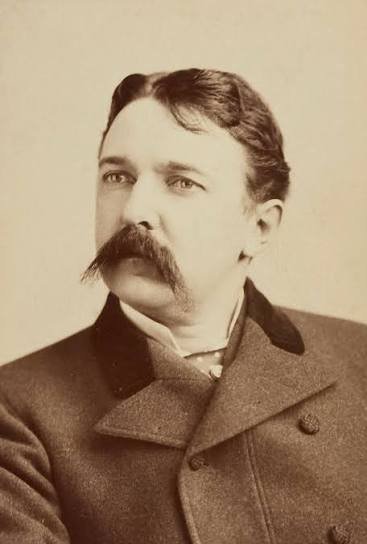
Quick Facts
- Born
- July 11, 1842
- Died
- June 7, 1911
- Movement
- Lyric poetry, patriotic poems
- Known For
- Lyrical poems about nature, love, patriotism, and American life
Henry Abbey was an American poet and writer whose works reflected the beauty of nature, patriotism, history, and everyday life. Although he never achieved the same level of fame as some of his nineteenth-century contemporaries, his poetry earned admiration for its elegant language, thoughtful themes, and emotional depth. Throughout his literary career, Henry Abbey published numerous collections of poems that explored human emotions, historical events, and the changing American landscape.
Today, readers continue to appreciate Henry Abbey for his contribution to American literature. His poetry offers a glimpse into the cultural values and artistic traditions of the late nineteenth and early twentieth centuries. Whether writing about nature, national pride, or personal reflection, Abbey demonstrated a distinctive voice that remains relevant for literary enthusiasts and researchers alike.
Who Was Henry Abbey?
Henry Abbey was an American poet, editor, and author best known for his lyrical poetry and literary collections. Living during a period of significant social and cultural transformation in the United States, he witnessed the nation’s growth after the Civil War and expressed many of those experiences through his writing.
Unlike poets who focused solely on experimental styles, Abbey preferred traditional poetic forms that emphasized rhythm, imagery, and storytelling. His poems often celebrated the natural world while also exploring themes of courage, history, memory, and personal character.
Although modern readers may not immediately recognize his name, scholars of American literature acknowledge Henry Abbey as one of the respected literary figures of his era.
Early Life and Education
Henry Abbey was born in the United States during the mid-nineteenth century, a time when American literature was beginning to establish its own identity. Growing up in an environment shaped by rapid industrial development and national change, he developed an early appreciation for books, language, and poetry.
As a young student, Abbey displayed a strong interest in reading and writing. Classical literature, history, and the works of established English and American poets greatly influenced his literary development. These early influences helped shape the graceful writing style that later became one of his defining characteristics.
Rather than pursuing a single profession throughout his life, Henry Abbey combined literary interests with editorial and publishing work, allowing him to remain closely connected to the evolving literary world.
Beginning of His Literary Career
Henry Abbey began publishing poetry while still a young man. His earliest works introduced readers to a writer who possessed both technical skill and a sincere appreciation for poetic tradition.
During the late nineteenth century, magazines and literary journals served as important platforms for emerging writers. Abbey contributed poems to these publications, gradually earning recognition among readers and critics.
His poetry reflected careful craftsmanship instead of relying on dramatic innovation. Readers admired his ability to create vivid imagery while maintaining clarity and emotional sincerity.
As his reputation grew, publishers became increasingly interested in releasing his poetry collections, helping establish him as a respected American author.
Henry Abbey’s Writing Style
One of the defining characteristics of Henry Abbey was his balanced and refined writing style. His poetry combined descriptive language with musical rhythm, making his work enjoyable to read aloud.
Several features distinguish his literary style:
Nature as a Central Theme
Many of Henry Abbey’s poems celebrate forests, rivers, changing seasons, flowers, and the beauty of rural landscapes. Rather than using nature simply as scenery, he often presented it as a source of inspiration and spiritual reflection.
His descriptions reveal a careful observer who appreciated both grand landscapes and small details found in everyday life.
Historical and Patriotic Subjects
Abbey frequently explored historical events and patriotic themes. His poems reflected admiration for courage, sacrifice, and national heritage, making them especially meaningful during periods of public remembrance and celebration.
These works demonstrated his belief that poetry could preserve important moments in history while inspiring future generations.
Emotional Depth
Although Henry Abbey often wrote about public subjects, many of his poems also explored private emotions such as hope, friendship, loss, love, and memory.
Instead of exaggerated sentiment, he preferred thoughtful reflection, allowing readers to connect naturally with the emotions expressed in his verses.
Henry Abbey’s Poems on Love, Loss, and Hope
- May Dream
- An Old Song
- The Wind’s Story
- The City of Success
Major Literary Works
Throughout his career, Henry Abbey published several collections that showcased his versatility as a poet. His books included lyrical poems, reflective pieces, and works inspired by historical events.
His publications demonstrated remarkable consistency in both quality and style. Rather than following rapidly changing literary trends, Abbey remained committed to carefully structured poetry that emphasized meaning and craftsmanship.
Many readers appreciated his ability to blend elegant language with accessible ideas, making his poems appealing to both casual readers and serious students of literature.
His literary contributions helped preserve traditional American poetic values during an era when literature was becoming increasingly diverse in style and subject matter.
Famous Poems by Henry Abbey
- What Do We Plant When We Plant the Tree?
- The Bedouin’s Rebuke
- May Dreams
- The Pæan of Peace
- The Wind’s Story
- An Old Song
- The City of Success
- The Pilgrim
Themes That Define Henry Abbey’s Poetry
The poetry of Henry Abbey reflects several recurring themes that appear throughout his literary career.
Love for Nature
Natural beauty appears repeatedly in his work, symbolizing peace, renewal, and personal reflection. Landscapes often become emotional settings where deeper philosophical ideas emerge.
Appreciation of History
Historical figures and significant national events inspired many of Abbey’s poems. Through these works, he celebrated perseverance, bravery, and the enduring importance of remembering the past.
Human Character
Another recurring theme is the strength of individual character. His poems frequently encourage honesty, determination, compassion, and moral responsibility, reflecting the cultural values of his time.
Beauty in Everyday Life
Rather than focusing exclusively on extraordinary events, Henry Abbey often found inspiration in ordinary experiences. His poetry reminds readers that beauty can be discovered in daily life, quiet moments, and simple observations.
Influence on American Literature
Although Henry Abbey never became as internationally famous as some of his contemporaries, he played a valuable role in nineteenth-century American poetry. His commitment to traditional poetic craftsmanship earned the respect of readers who appreciated lyrical expression and carefully developed imagery.
His works contributed to the broader development of American literary culture by preserving themes of patriotism, natural beauty, and historical remembrance. Literary historians continue to study his poetry as part of the rich landscape of American verse during the late nineteenth century.
Later Years and Literary Contributions
As Henry Abbey matured as a writer, he continued to produce poetry that reflected both personal insight and a deep appreciation for American culture. His later works demonstrated a polished writing style and a commitment to traditional poetic forms. While literary movements evolved during the late nineteenth and early twentieth centuries, Abbey remained faithful to the lyrical and narrative techniques that had defined his career.
In addition to writing poetry, Abbey was involved in literary and editorial work, which kept him connected with the publishing world. His experience as an editor helped him understand the changing tastes of readers while allowing him to support and promote quality literature.
Although he was not a literary celebrity during his lifetime, his steady output and dedication earned him the respect of fellow writers and readers who admired carefully crafted poetry.
Henry Abbey’s Legacy
The legacy of Henry Abbey lies in his contribution to American poetry during a period of significant cultural growth. His poems preserved traditional themes of patriotism, nature, history, and human emotion while maintaining a graceful and accessible writing style.
Modern literary scholars often view Abbey as a representative of nineteenth-century American poetic traditions. His works provide valuable insight into the values, ideals, and artistic preferences of his era.
Today, his poetry remains available through libraries, historical archives, and digital collections, allowing new generations of readers to explore his literary achievements. While his name may not be as widely recognized as some of his contemporaries, his writings continue to hold historical and literary significance.
Why Henry Abbey Still Matters Today
Readers continue to discover Henry Abbey because his poetry explores timeless subjects that remain meaningful across generations.
His work is appreciated for several reasons:
- It preserves an important chapter in American literary history.
- His poems celebrate nature with vivid and memorable imagery.
- Historical themes encourage readers to appreciate the past.
- His writing demonstrates the beauty of traditional poetic craftsmanship.
- Students and researchers continue to reference his works when studying nineteenth-century American poetry.
For anyone interested in classic American literature, Henry Abbey offers a rewarding reading experience filled with thoughtful observations and elegant language.
Final Talk
Henry Abbey occupies an important place in the history of American literature as a poet who valued craftsmanship, emotional sincerity, and timeless themes. Throughout his career, he wrote poems that celebrated nature, reflected on history, and explored the human experience with clarity and grace.
Although he never achieved the widespread fame of some literary giants, his dedication to poetry left a lasting impression on American literary culture. His works continue to inspire readers who appreciate traditional verse and thoughtful storytelling.
Whether you are researching nineteenth-century American poets or simply looking to discover lesser-known literary voices, Henry Abbey’s writings provide a fascinating window into an important era of American history and poetry.
Frequently Asked Questions (FAQs)
Who was Henry Abbey?
Henry Abbey was an American poet, editor, and author known for his lyrical poetry, patriotic themes, historical subjects, and appreciation of nature.
When was Henry Abbey born?
Henry Abbey was born on July 11, 1842, in Rondout, New York, United States.
When did Henry Abbey die?
He passed away on June 7, 1911, leaving behind a respected body of poetic and literary work.
What is Henry Abbey famous for?
Henry Abbey is best known for his poetry collections that explore themes such as nature, patriotism, history, and human emotions.
What literary style did Henry Abbey use?
He primarily wrote traditional lyrical poetry characterized by structured verse, vivid imagery, and emotional depth.
Why is Henry Abbey important?
Henry Abbey contributed to nineteenth-century American literature by preserving classical poetic traditions while producing works that reflected the culture and ideals of his time.
Poems by Henry Abbey
No poems published yet for this poet.