Sam Abrams Biography
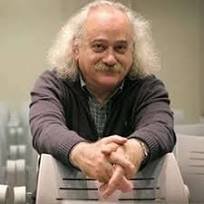
Quick Facts
- Born
- November 18, 1935
- Movement
- Contemporary Literature
- Known For
- Lyrical Poems
Sam Abrams is a respected poet, literary critic, translator, essayist, editor, and academic whose work has made a lasting impact on both American and Catalan literature. Known for his deep appreciation of poetry and his dedication to promoting literary culture, Abrams has spent decades bridging languages, traditions, and generations of writers. His contributions extend beyond his own creative writing, as he has also played an influential role in translating important literary works and encouraging the study of contemporary poetry.
Throughout his career, Sam Abrams has become recognized not only for his original poems but also for his commitment to literary scholarship and cultural exchange. His passion for literature has helped introduce readers to diverse voices while strengthening the connection between English-language and Catalan literary traditions.
In this biography, we explore the life of Sam Abrams, his education, literary journey, academic achievements, and the experiences that shaped him into one of the most respected literary figures associated with contemporary Catalan culture.
Early Life and Family Background
Sam Abrams was born in the United States, where he spent his early childhood surrounded by an environment that encouraged intellectual curiosity and creativity. From an early age, books became an important part of his life. Reading introduced him to different cultures, ideas, and artistic expressions that would later influence his career as a poet and literary scholar.
Unlike many writers who discover poetry later in life, Abrams developed an appreciation for literature while he was still young. His fascination with storytelling, language, and history gradually evolved into a lifelong commitment to literary studies.
Although much of his public recognition comes from his work in Catalonia, his American upbringing gave him a unique perspective that later enabled him to serve as a cultural bridge between English-speaking and Catalan literary communities.
His multicultural experiences eventually became one of the defining characteristics of his professional life.
Educational Journey
Education played a central role in shaping Sam Abrams into the accomplished writer and academic he is today. During his university years, he immersed himself in literature, language studies, and critical analysis.
His academic interests expanded beyond simply reading poetry. He became interested in understanding how literature reflects society, culture, philosophy, and history. These studies provided the foundation for his later work as a literary critic and translator.
As he continued his education, Abrams explored both classical and contemporary literary traditions. His studies exposed him to a wide variety of international authors whose works inspired his own creative and scholarly pursuits.
His academic training also strengthened his analytical abilities, allowing him to examine literary works from multiple perspectives rather than focusing only on artistic expression.
This balance between creativity and scholarship would become one of the defining features of his career.
Moving Toward Catalonia
One of the most significant turning points in Sam Abrams’ life came when he established strong connections with Catalonia.
Rather than limiting himself to American literary traditions, Abrams embraced Catalan language and culture with remarkable enthusiasm. His decision to work within Catalonia’s literary community opened new opportunities that shaped the direction of his career.
Living and working in Catalonia allowed him to engage directly with local writers, publishers, universities, and cultural organizations. Over time, he became deeply involved in promoting Catalan literature on an international level.
His unique background enabled him to appreciate both American and Catalan literary traditions, making him an important figure in fostering cultural dialogue between different linguistic communities.
This cross-cultural perspective continues to distinguish Sam Abrams from many contemporary literary scholars.
Discovering His Passion for Poetry
Poetry eventually became one of the most important forms of artistic expression in Sam Abrams’ life.
He viewed poetry as more than carefully arranged words. For Abrams, poetry represents a way to explore human emotions, personal identity, history, memory, and imagination.
His writing often demonstrates careful attention to language while encouraging readers to reflect on broader philosophical and cultural questions.
Unlike highly commercial forms of literature, poetry requires patience and thoughtful interpretation. Abrams has consistently advocated for this deeper engagement with literary works throughout his career.
His appreciation for both traditional poetic techniques and modern literary experimentation has allowed him to connect with readers from diverse backgrounds.
Beginning a Literary Career
As Sam Abrams developed his reputation within literary circles, he expanded his activities beyond writing poetry.
His early professional work included literary criticism, editing, teaching, and translation. These various roles complemented each other and helped establish him as a respected voice within contemporary literature.
Instead of focusing exclusively on publishing his own creative work, Abrams dedicated considerable time to supporting other writers and promoting literary excellence.
He became involved in editorial projects that highlighted emerging poets alongside established authors, helping readers discover new literary voices.
This commitment to literary community-building became one of the defining characteristics of his professional life.
Building a Reputation as a Literary Critic
Literary criticism became another important aspect of Sam Abrams’ career.
As a critic, he sought to analyze literature thoughtfully while encouraging meaningful discussion rather than simple judgment.
His essays and reviews demonstrate a deep understanding of literary history, poetic technique, and cultural context.
Rather than approaching criticism as purely academic, Abrams writes in a way that makes literature accessible to both scholars and general readers.
His balanced perspective has earned respect among authors, publishers, and educators alike.
Through decades of critical writing, he has contributed significantly to discussions surrounding contemporary poetry and literary culture.
Academic Career and Teaching
Teaching has remained an essential part of Sam Abrams’ professional identity.
Throughout his academic career, he has shared his knowledge with students interested in literature, creative writing, translation, and literary criticism.
His classroom experience reflects his belief that literature should encourage curiosity rather than memorization.
Students have benefited from his extensive knowledge of international poetry, comparative literature, and cultural history.
As an educator, Abrams has emphasized careful reading, thoughtful interpretation, and appreciation for linguistic diversity.
His influence extends beyond published books because many students have gone on to develop successful careers in literature, education, and publishing after learning from his guidance.
Contributions Beyond Poetry
Although Sam Abrams is widely recognized as a poet, his influence reaches far beyond creative writing.
He has served as:
Literary Editor
Abrams has worked on numerous editorial projects that have introduced readers to significant literary voices while maintaining high standards of scholarship and artistic quality.
Essayist
His essays explore literature, culture, philosophy, and the role of poetry in modern society. These writings reveal his ability to connect literary analysis with broader cultural conversations.
Translator
Translation has become one of his most valuable contributions to international literature.
By translating literary works across languages, Abrams has helped readers access important texts that might otherwise remain unavailable to wider audiences.
His translation work demonstrates not only linguistic skill but also cultural sensitivity, ensuring that the artistic qualities of original works remain intact.
A Voice for Contemporary Literature
Throughout his career, Sam Abrams has consistently supported contemporary literature while respecting classical literary traditions.
He believes literature should continue evolving without losing its connection to history and cultural identity.
His work reflects an appreciation for innovation alongside respect for established literary forms.
Whether writing poetry, editing anthologies, translating texts, or teaching students, Abrams has remained committed to encouraging thoughtful engagement with literature.
His career demonstrates how one individual can contribute to literary culture through multiple roles rather than focusing on a single profession.
Sam Abrams’ Poetic Style and Literary Themes
One of the defining characteristics of Sam Abrams is his thoughtful and intellectually engaging approach to poetry. Rather than relying on elaborate language alone, Abrams focuses on ideas, emotions, and the relationship between individuals and the world around them. His poems invite readers to reflect on memory, identity, culture, and the human experience.
His work often combines lyrical expression with philosophical reflection, making his poetry appealing to both general readers and literary scholars. Abrams believes that poetry should challenge the imagination while remaining emotionally authentic.
Another notable feature of his writing is the influence of multiple literary traditions. Because of his American background and his long association with Catalonia, his work reflects an appreciation for both English-language and Catalan literature. This multicultural perspective gives his poetry a distinctive voice.
Literary Philosophy
Throughout his career, Sam Abrams has viewed literature as more than entertainment. He has consistently argued that poetry and literary criticism play an essential role in helping people understand culture, history, and society.
His essays and public discussions often emphasize the importance of preserving literary heritage while encouraging innovation. Rather than treating classical and modern literature as competing traditions, Abrams sees them as complementary sources of inspiration.
This balanced literary philosophy has earned him respect among writers, critics, educators, and students.
Major Literary Contributions
Although Sam Abrams is widely recognized as a poet, his influence extends into several important areas of literature.
Poetry
Abrams has written poetry that explores themes such as:
- Identity and self-discovery
- Memory and history
- Language and communication
- Nature and imagination
- Art and creativity
- Cultural exchange
His poems demonstrate careful craftsmanship while remaining accessible to readers interested in contemporary literature.
Literary Criticism
As a literary critic, Abrams has produced essays and reviews examining both classic and contemporary writers. His criticism is known for its balanced analysis and historical perspective.
Rather than offering simple opinions, he explores how literature reflects changing social and cultural values. His critical work has contributed to a deeper understanding of modern poetry and literary movements.
Translation
Translation is another area in which Sam Abrams has made a lasting contribution.
His ability to work across languages has helped introduce readers to important literary works beyond their original audiences. By translating poetry and other literary texts, he has strengthened cultural connections between English-speaking and Catalan readers.
Translation requires more than linguistic accuracy; it demands an understanding of rhythm, style, tone, and cultural context. Abrams’ work demonstrates this careful attention to detail.
Editing and Literary Promotion
In addition to writing and translating, Abrams has edited literary publications and collaborated on projects that promote contemporary poetry.
His editorial work has provided opportunities for both established and emerging writers, helping to enrich the literary community through anthologies, journals, and cultural initiatives.
Influence on Catalan Literature
One of Sam Abrams’ most significant achievements is his contribution to Catalan literary culture.
Although born in the United States, he became deeply involved in Catalonia’s literary life and has spent many years promoting Catalan writing both locally and internationally.
His academic work, translations, public lectures, and editorial projects have introduced Catalan literature to broader audiences while encouraging international appreciation for its rich traditions.
This unique role has made Abrams an important cultural ambassador between different literary communities.
Legacy and Lasting Impact
The legacy of Sam Abrams extends beyond the books he has written.
His influence can be seen in several areas:
- Encouraging literary scholarship.
- Supporting contemporary poets.
- Promoting cross-cultural understanding.
- Preserving and translating important literary works.
- Inspiring students through teaching.
- Expanding appreciation for Catalan literature worldwide.
His career demonstrates that literature thrives through collaboration among writers, translators, critics, editors, and educators.
Future generations of readers and scholars will continue benefiting from his contributions to poetry and literary criticism.
Why Sam Abrams Remains Important Today
Modern literature continues evolving in response to globalization, technology, and cultural change. Writers who can connect different traditions are increasingly valuable.
Sam Abrams represents this international perspective.
His work reminds readers that literature transcends national borders and languages. Through poetry, criticism, translation, and education, he has shown how literary exchange enriches cultures rather than dividing them.
His commitment to artistic excellence and intellectual curiosity continues to inspire readers around the world.
Final Talk
Sam Abrams has built an impressive career as a poet, literary critic, translator, editor, and educator. His journey from the United States to becoming a respected figure in Catalan literary culture reflects his lifelong passion for literature and cultural exchange.
Through original poetry, insightful criticism, skilled translations, and dedicated teaching, Abrams has helped shape contemporary literary conversations while preserving the importance of poetic expression.
His work serves as a reminder that literature is a universal language capable of connecting people across cultures, generations, and traditions. As both a creative writer and a literary scholar, Sam Abrams continues to hold an important place in modern literary history.
Poems by Sam Abrams Biography
No poems published yet for this poet.