Sylvia Plath: Biography, Poems, Books, Themes, and Literary Legacy
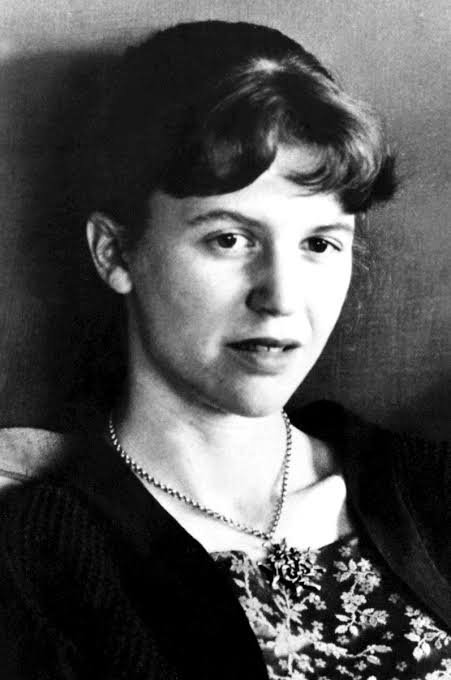
Quick Facts
- Born
- October 27, 1932
- Died
- February 11, 1963
- Movement
- Confessional poetry
- Known For
- The Bell Jar
Sylvia Plath was an American poet born on October 27, 1932, whose best-known works include Ariel and The Bell Jar. She became one of the most important American poets of the 20th century, especially through her intense and highly personal poetry. Her work is often linked with the Confessional poetry movement, which encouraged poets to explore private experiences, emotions, identity, relationships, and suffering. Plath was also a gifted novelist, short-story writer, and essayist. Her writing career was short, but her literary influence has lasted for decades. Today, readers study her poems for their powerful images, unusual sounds, emotional honesty, and complex ideas about identity, motherhood, marriage, death, and rebirth. Her semi-autobiographical novel The Bell Jar also remains widely read for its portrayal of social pressure and psychological distress.
Sylvia Plath Quick Facts
| Fact | Details |
|---|---|
| Full name | Sylvia Plath |
| Born | October 27, 1932 |
| Died | February 11, 1963 |
| Birthplace | Boston, Massachusetts, United States |
| Nationality | American |
| Occupation | Poet, novelist, short-story writer |
| Education | Smith College; Cambridge University |
| Spouse | Ted Hughes |
| Children | Frieda Hughes and Nicholas Hughes |
| Famous works | The Bell Jar, The Colossus and Other Poems, Ariel |
| Literary movement | Confessional poetry |
| Major award | Pulitzer Prize for Poetry, 1982, posthumously |
Biographical records show that Plath was born in Boston, studied at Smith College, later went to Cambridge on a Fulbright Scholarship, and married English poet Ted Hughes in 1956. Her two children were Frieda and Nicholas.
Why Is Sylvia Plath Famous?
Sylvia Plath is famous for transforming intensely personal experiences into technically sophisticated poetry and fiction. Her poems combine emotional force with striking imagery, sound patterns, metaphor, and carefully controlled language.
She is particularly known for Ariel, The Colossus and Other Poems, and The Bell Jar. Her writing became closely associated with Confessional poetry, alongside poets such as Robert Lowell and Anne Sexton.
Her reputation also grew greatly after her death. The Collected Poems won the 1982 Pulitzer Prize for Poetry, making Plath the first poet to receive the award posthumously.
Where Was Sylvia Plath Born and How Did She Grow Up?
Sylvia Plath was born in Boston, Massachusetts, on October 27, 1932. Her father, Otto Plath, was a biology professor and specialist in bees, while her mother, Aurelia, had studied under him at Boston University.
Her father died in 1940 when Plath was eight years old. His death became an important emotional and literary influence, especially in poems that later explored father-daughter relationships, grief, anger, memory, and loss.
Plath began writing at a very young age. She kept a journal from childhood and published poems in local newspapers and magazines. Her first nationally published poem appeared in The Christian Science Monitor in 1950.
Where Did Sylvia Plath Go to College?
Sylvia Plath attended Smith College and graduated summa cum laude in 1955. During her college years, she won literary prizes and developed a strong reputation as a young writer.
After Smith College, she received a Fulbright Scholarship to study at Cambridge in England. Her time in Britain was important because it connected her with English literary culture and led to her meeting Ted Hughes, whom she married in 1956.
Her academic success is an important part of the Sylvia Plath biography because it shows that she was not known only for later personal struggles. She was already a highly ambitious and accomplished writer before her most famous poems were written.
What Did Sylvia Plath Write?
Sylvia Plath wrote poetry, one novel, short stories, essays, journals, letters, and children’s literature. Her major literary works include The Colossus and Other Poems, The Bell Jar, Ariel, Crossing the Water, and Winter Trees.
Her first major poetry collection, The Colossus and Other Poems, appeared in 1960. It showed a carefully crafted poet with strong control of form, sound, mythology, nature imagery, and symbolism.
The Bell Jar, published in 1963 under the pseudonym Victoria Lucas, was her only novel. It contains strong autobiographical elements and follows Esther Greenwood as she struggles with identity, social expectations, ambition, and psychological distress.
Her later poetry, especially the poems collected in Ariel, became more direct, intense, and personal. These poems helped establish Plath as one of the defining voices of modern American poetry.
Sylvia Plath’s Poems and Poetry
Sylvia Plath wrote hundreds of poems during her lifetime, although the definitive Collected Poems contains 224 mature poems written after 1956 plus 50 selected earlier poems.
Her poetry is known for powerful images, sharp contrasts, dark humor, unusual metaphors, rhyme, alliteration, and dramatic speakers. Her later poems often examine identity, motherhood, relationships, death, rebirth, gender, memory, and emotional conflict.
The Colossus
The Colossus and Other Poems was published in 1960 and was the only poetry collection Plath published during her lifetime. The poems show her early mature style, which is often more controlled and formally complex than her later work.
The collection uses mythology, nature, family memories, and historical images to explore difficult emotional experiences. Its title poem presents a speaker struggling with the enormous presence of a father figure who cannot be fully understood or repaired.
Ariel
Ariel is Sylvia Plath’s most famous poetry collection and was published posthumously in 1965. It contains many of her best-known poems, including “Daddy,” “Lady Lazarus,” “Ariel,” and “Morning Song.”
The poems are often more direct and emotionally intense than those in The Colossus. They explore motherhood, marriage, sexuality, identity, suffering, transformation, and the desire to begin again.
“Daddy”
“Daddy” is one of Plath’s most famous poems. Written in 1962, it uses an exaggerated and highly dramatic speaker to explore grief, anger, memory, and the complicated emotional image of the father.
The poem is important because it shows how Plath could turn personal history into a larger artistic drama. Its disturbing images and forceful rhythms make it one of the most discussed poems in modern American literature.
“Lady Lazarus”
“Lady Lazarus” is a late poem that uses the idea of repeated return to explore suffering, survival, performance, and transformation. Its title refers to Lazarus, the biblical figure associated with returning from death.
The speaker presents personal suffering almost like a public performance. This creates a complicated relationship between pain, identity, audience, and artistic control.
“Ariel”
“Ariel” is one of the central poems in Plath’s late career. It transforms a horseback ride into a strange experience of speed, freedom, darkness, and changing identity.
The poem is admired for its rapid movement and vivid images. It shows the dramatic shift toward a more compressed and powerful style that became characteristic of her final poems.
“Morning Song”
“Morning Song” explores the complicated emotions surrounding motherhood and the arrival of a new child. Instead of presenting motherhood as simple happiness, the poem examines distance, wonder, responsibility, and gradual emotional connection.
The poem is important because it shows that Plath’s writing about motherhood was not one-dimensional. She could express love while also questioning identity and the changes brought by becoming a parent.
“Tulips”
“Tulips” was written in 1961 and is set around a hospital experience. The poem contrasts the quiet, controlled hospital environment with the bright and demanding presence of flowers.
The tulips become a powerful image for life, attention, emotion, and personal responsibility. The poem demonstrates Plath’s ability to make an ordinary object carry a much larger emotional meaning.
“The Applicant”
“The Applicant” uses a strange interview-like structure to examine marriage, gender roles, consumer culture, and expectations placed on women.
Its exaggerated language and almost mechanical tone make the poem both comic and disturbing. It shows Plath’s interest in the conflict between individual identity and social roles.
“Edge”
“Edge” is among the final poems associated with Plath’s career and is often discussed because of its stark treatment of death, perfection, motherhood, and finality.
Many readers describe it as one of her saddest poems, but there is no objective answer to the question of which Sylvia Plath poem is the saddest. “Edge,” “Daddy,” and “Lady Lazarus” are frequently discussed for their dark emotional power.
What Type of Poetry Did Sylvia Plath Write?
Sylvia Plath is most often associated with Confessional poetry, a style that brings private experiences and difficult emotions into literary work. Her poetry also draws on mythology, nature, autobiography, symbolism, surreal imagery, and dramatic monologue.Early poetry tends to show tight structure, complex images, and careful formal control. Her later poems become more conversational, compressed, shocking, and emotionally direct.
Plath’s writing cannot be reduced to autobiography alone. The Poetry Foundation notes that her poems should also be valued for their technical skill, intelligence, and artistic construction rather than being treated simply as records of her life.
What Are the Major Themes in Sylvia Plath’s Poetry?
The major themes in Sylvia Plath’s poetry include identity, death, rebirth, motherhood, marriage, family, gender, memory, isolation, and the conflict between the individual and society.
- Identity: Many speakers struggle to understand who they are beneath social roles and expectations.
- Death and rebirth: Images of destruction and renewal appear repeatedly, often presenting transformation as frightening and powerful.
- Motherhood: Plath explores both tenderness and the loss or reshaping of personal identity that can accompany motherhood.
- Marriage and gender: Her poems often question traditional ideas about husbands, wives, femininity, and domestic life.
- Memory and family: Childhood memories, especially the emotional shadow of her father, become major sources of poetic material.
- Isolation: Her speakers frequently feel separated from other people, society, or even their own bodies.
- Nature and transformation: Bees, flowers, animals, seasons, water, fire, and landscapes often become symbols of emotional change.
How Did Sylvia Plath’s Writing Style Change?
Sylvia Plath’s poetry developed from highly controlled early verse toward a more direct, compressed, and emotionally forceful late style. This change is especially visible between The Colossus and Ariel.
Her early work often hides personal conflict behind elaborate images, myths, riddles, and carefully designed scenes. Her later poems increasingly allow the speaker to confront difficult experiences openly.
The Poetry Foundation describes this later period as a major artistic development, noting that Plath’s poetry became more direct while still retaining her technical control of sound, imagery, and structure.
Why Is The Bell Jar Important?
The Bell Jar is important because it presents a young woman’s struggle with identity, social expectations, ambition, and psychological distress in a sharply personal narrative.
The novel follows Esther Greenwood, a talented young woman who feels trapped by the expectations surrounding education, career, relationships, sexuality, and femininity. The “bell jar” becomes a metaphor for her feeling of being trapped and separated from ordinary life.
The novel also matters because of its historical setting. It examines pressures placed on women in 1950s America and has become an important text in discussions of feminism, identity, and mental health in literature.
Although The Bell Jar was first published in Britain in 1963 under a pseudonym, it has remained in print and developed a lasting readership.
Sylvia Plath and Ted Hughes
Sylvia Plath married English poet Ted Hughes on June 16, 1956. The couple later lived in both the United States and England and had two children, Frieda and Nicholas.
Their relationship became an important part of later biographies and criticism, especially because their marriage broke down shortly before Plath’s death. However, her literary achievement should not be reduced to her relationship with Hughes.
Hughes later edited and published several collections of Plath’s poetry. The Collected Poems, published in 1981, brought together her mature work and won the Pulitzer Prize for Poetry in 1982.
What Were Sylvia Plath’s Major Literary Achievements?
Sylvia Plath’s major achievements include publishing The Colossus, writing The Bell Jar, producing the poems later collected in Ariel, and receiving the Pulitzer Prize for The Collected Poems after her death.
She also received a Fulbright Scholarship and won poetry prizes while studying at Smith College. Her early success shows that her reputation began before the publication of her final poems.
Her greatest literary achievement may be the lasting power of her voice. More than six decades after her death, her poems remain widely taught, studied, discussed, and interpreted by new generations of readers.
How Did Sylvia Plath Influence Modern Literature?
Sylvia Plath influenced modern literature by showing how personal experience could be transformed into ambitious, technically complex poetry. Her work helped expand the possibilities of Confessional poetry and influenced later poets, novelists, and feminist writers.
Her writing also helped make subjects such as motherhood, gender expectations, psychological suffering, marriage, and identity central topics for serious literary discussion.
Modern readers often approach Plath from different perspectives. Some focus on poetic technique, while others study gender, biography, mental health, feminism, or the relationship between art and personal experience.
Why Is Sylvia Plath Known in Literature?
Sylvia Plath is known in literature for combining personal subject matter with powerful imagery, formal skill, dark humor, and intense emotional language. Her work is both deeply individual and connected to wider social questions.
One reason her poetry remains difficult to classify is that it can be autobiographical without being simple autobiography. Her speakers, images, and dramatic situations reshape experience into art rather than merely reporting events.
This distinction is important when studying the Sylvia Plath poet and her literary legacy. Her life provides context, but her poems also deserve attention as carefully constructed works of literature.
Why Did Sylvia Plath End Her Life?
Sylvia Plath died by suicide on February 11, 1963, after a period of severe personal and psychological distress. No single explanation can fully account for such a complex event.
Her death has often received enormous attention because it happened when her literary career was developing rapidly. However, scholars and readers should avoid treating her death as the simple explanation for her poetry.
The Academy of American Poets emphasizes the importance of remembering Plath as a writer, mother, wife, friend, and ambitious young poet whose life was cut short, rather than reducing her entire identity to her death.
What Happened to Sylvia Plath’s Poems After Her Death?
Much of Sylvia Plath’s greatest recognition came after her death. Ariel was published posthumously in 1965, followed by other collections including Crossing the Water and Winter Trees.
The Collected Poems later brought together her mature poetry and received the 1982 Pulitzer Prize for Poetry. The collection contains 224 poems written after 1956 along with 50 selected earlier poems.
A later edition of Ariel published in 2004 restored Plath’s original planned order and included twelve poems that had been absent from the first posthumous edition.
Sylvia Plath’s Literary Legacy
Sylvia Plath’s literary legacy rests on the unusual combination of emotional intensity and technical precision in her writing. Her poems remain influential because they can be read as personal, social, feminist, psychological, and formally innovative works at the same time.
Her influence extends beyond poetry. The Bell Jar remains an important novel about identity, gender expectations, and psychological suffering, while her poetry continues to shape discussions of Confessional writing and women’s literature.
Plath also changed how many readers think about the relationship between a writer’s life and literary work. Her biography is impossible to ignore, but her poems continue to reward readers who study their language, structure, imagery, and ideas independently.
Sylvia Plath Facts
Sylvia Plath was born in Boston, Massachusetts, on October 27, 1932.
Her father, Otto Plath, was a biology professor and an expert on bees.
- She graduated from Smith College summa cum laude in 1955.
- Received a Fulbright Scholarship to study at Cambridge.
- Married poet Ted Hughes in 1956.
Her children were Frieda Hughes and Nicholas Hughes.
The Bell Jar was originally published under the pseudonym Victoria Lucas.
Ariel was published posthumously in 1965.
The Collected Poems won the Pulitzer Prize for Poetry in 1982.
She died in London on February 11, 1963.
Final Talk
Sylvia Plath remains one of the most studied American poets of the 20th century because her writing combines emotional honesty with remarkable poetic craft. From The Colossus to Ariel, she developed a distinctive voice filled with sharp images, complex symbols, sound, rhythm, and dramatic intensity. The Bell Jar added another dimension to her legacy by presenting a memorable story about identity, ambition, social pressure, and psychological struggle. Her life ended at only 30, but her literary career continued to grow after her death. The Pulitzer Prize awarded to The Collected Poems confirmed the lasting importance of her work. Today, readers continue to discover something new in her poems because they address universal questions about identity, relationships, suffering, transformation, and the search for freedom. Her influence remains strong in poetry, fiction, feminist literature, and modern literary studies.
FAQs
Sylvia Plath produced influential poetry and fiction, helped define the modern reputation of Confessional poetry, and won the Pulitzer Prize for Poetry posthumously for The Collected Poems in 1982.
The definitive Collected Poems contains 224 poems written after 1956 and 50 selected poems from her earlier work. Plath also produced more than 200 early poems before 1956, so the exact total depends on which manuscripts and juvenilia are counted.
The Bell Jar is important because it explores identity, gender expectations, ambition, and psychological distress through a semi-autobiographical story. It has become an influential work in feminist and mental-health literature.
Sylvia Plath is famous for her highly personal poetry, her novel The Bell Jar, and her major role in Confessional poetry. Her collections The Colossus and Ariel contain some of the most studied English-language poems of the 20th century.
Sylvia Plath’s most famous poems include “Daddy,” “Lady Lazarus,” “Ariel,” “Morning Song,” “Tulips,” “The Applicant,” and “Edge.” Many of these poems were published or collected after her death, especially through Ariel.
Read More About Other Poets
Poems by Sylvia Plath: Biography, Poems, Books, Themes, and Literary Legacy
No poems published yet for this poet.